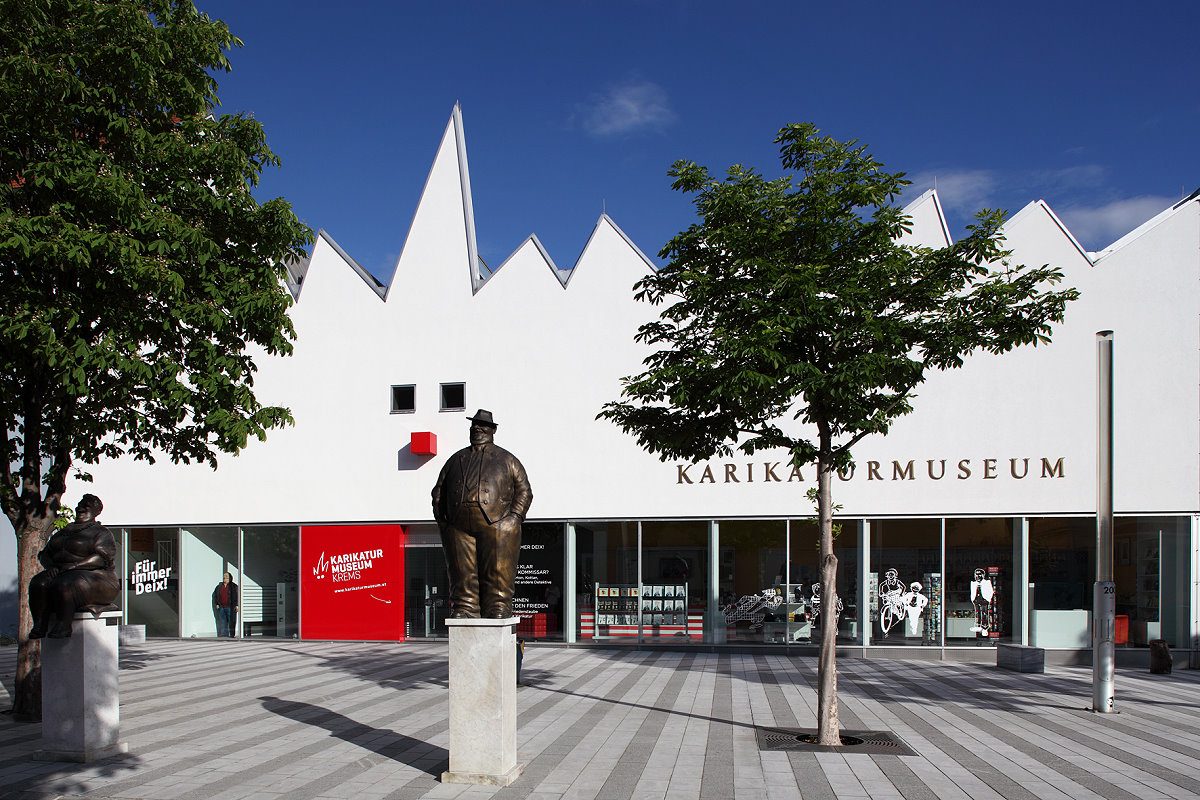
Kunstmeile Krems
15 min walk
This district houses several art museums and galleries, providing a cultural contrast to the river landscape.
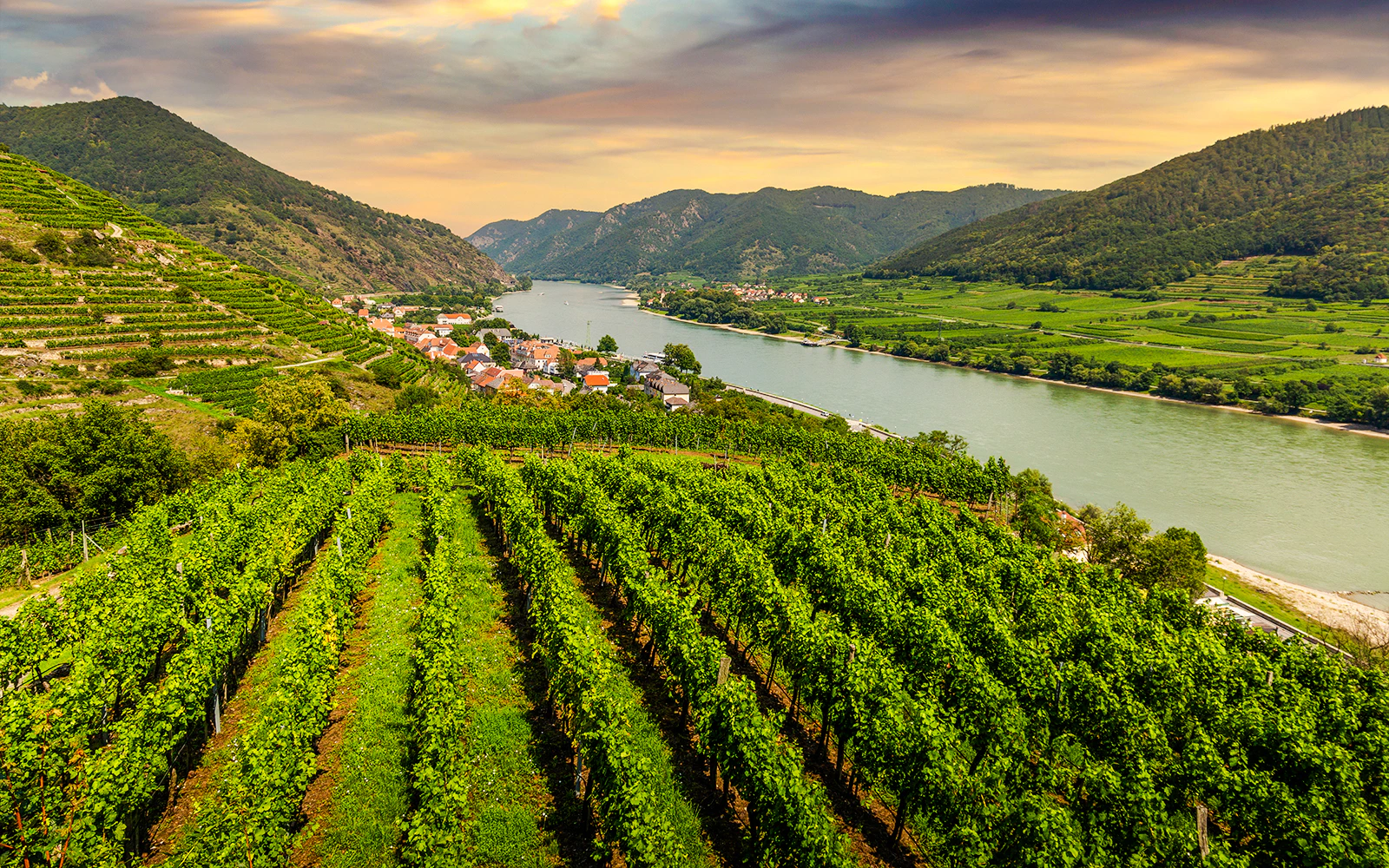
The Danube sector between Vienna and the Wachau Valley operates as one of Central Europe's most traveled river routes, connecting the Austrian capital to the terraced vineyards and medieval towns of a UNESCO World Heritage landscape. This guide covers departure logistics, journey structure, and the river corridor itself.
Quick answer
Danube river cruise from Vienna to Wachau Valley services operate daily between 09:00 and 18:00, departing from Vienna's Schwedenplatz or Reichsbrücke terminals. Journey time to Krems an der Donau, the valley's gateway town, ranges from 4.5 to 5.5 hours upstream depending on vessel type and intermediate stops. Most operators follow the same 65-kilometer route through the Danube Gorge and UNESCO wine terraces, with morning departures recommended for optimal daylight views.
The Danube between Vienna and Krems runs northwest through three distinct geographic zones: the industrial outskirts of the capital, the forested narrows of the Danube Gorge near Greifenstein, and the steep south-facing vineyards that define the Wachau Valley proper. The river itself is a commercial shipping corridor, and cruise vessels share the channel with cargo barges and hydrofoil ferries. A danube river cruise from vienna to wachau valley departs from one of two Vienna terminals. Schwedenplatz, located along the Danube Canal in the city center, serves as the primary departure point for tourist vessels operated by DDSG Blue Danube and Brandner Schifffahrt. Reichsbrücke, further downstream on the main Danube channel, handles overflow capacity during peak summer months and serves as the turnaround point for certain express services. Both terminals offer ticket counters, but advance online booking is standard practice. The Vienna departure window spans 09:00 to 11:00, with most services clustering at the earlier end to allow full-day itineraries. Upstream travel against the Danube current adds roughly 90 minutes compared to the downstream return. The river route passes Klosterneuburg Abbey, threads through the narrow Danube Gorge where forested slopes press close to the channel, and enters the Wachau at Melk. From Melk to Krems, the river corridor widens, and the south bank rises in steep terraced vineyards producing Grüner Veltliner and Riesling. The cruise route through the valley sector follows the navigable channel, which shifts between the north and south banks depending on depth and current. Most vessels make brief stops at Dürnstein, recognizable by its blue-and-white abbey tower, before continuing to Krems. Krems an der Donau serves as the valley's eastern terminus and the primary disembarkation point. The town's Welterbeplatz pier lies at the confluence of the Danube and the Krems River, adjacent to the valley's visitor information center. Passengers continuing into the valley by land transfer to bus services or rental bicycles from this hub. Return cruise services to Vienna depart Krems between 14:00 and 16:00, with the downstream journey shortened to approximately 3.5 hours due to current assistance. One-way cruise tickets allow travelers to pair river transit with rail or road returns, a common itinerary structure for day visitors.
“The upstream journey against the Danube current adds roughly 90 minutes compared to the downstream return, a factor that shapes the valley's daily visitor rhythm.”
Most operators depart Vienna mid-morning and reach the Wachau Valley sector within 90 minutes, offering a half-day route ideal for travelers combining river views with a wine-village stop. The full return loop typically spans 6–8 hours, including onboard time and a brief shore excursion.
Board at the central DDSG pier near the Danube Canal. Secure a seat on the open upper deck for unobstructed valley views as the city skyline recedes.
The river narrows between terraced vineyards and forested slopes. Watch for Dürnstein's blue church tower and the Aggstein Castle ruins perched above the north bank.
Disembark for 90 minutes to explore the old town, sample apricot schnapps, or walk the riverside promenade. Most vessels moor at Krems (Welterbeplatz 1) as the valley's eastern gateway.
Reboard for the downstream leg to Vienna, which takes roughly 75 minutes with the current. Light meals and regional wines are available from the onboard bar.
Dock at Schwedenplatz by mid-afternoon, leaving time to continue sightseeing in the city center or transfer onward.
The primary departure point for cruises heading into the Wachau Valley from the Vienna area is located in Krems an der Donau. Visitors typically reach this region via rail connections from Vienna or by road along the Danube river corridor.
REX1 from Wien Franz-Josefs-Bahnhof to Krems an der Donau
A22 and S5 motorway toward Krems
Wachau regional bus lines to Krems Bahnhof
The best arrival window is 09:00–11:00. Arriving during this period helps you avoid mid-day heat and secure space on morning departures for the best valley views.
Cruise fares for the Danube River are calculated based on the specific route and trip duration selected. Public access to the river banks remains free of charge for all visitors.
Verdict: Individual travelers pay per trip, with total costs depending on the distance and specific service provider selected for the journey.
The services operating the Danube river cruise from Vienna to the Wachau Valley maintain a consistent daily schedule throughout the week.
Exploring the surroundings of the Wachau Valley allows visitors to extend their day beyond the river. These locations are positioned to complement a cruise departure or arrival in Krems.
15 min walk
This district houses several art museums and galleries, providing a cultural contrast to the river landscape.
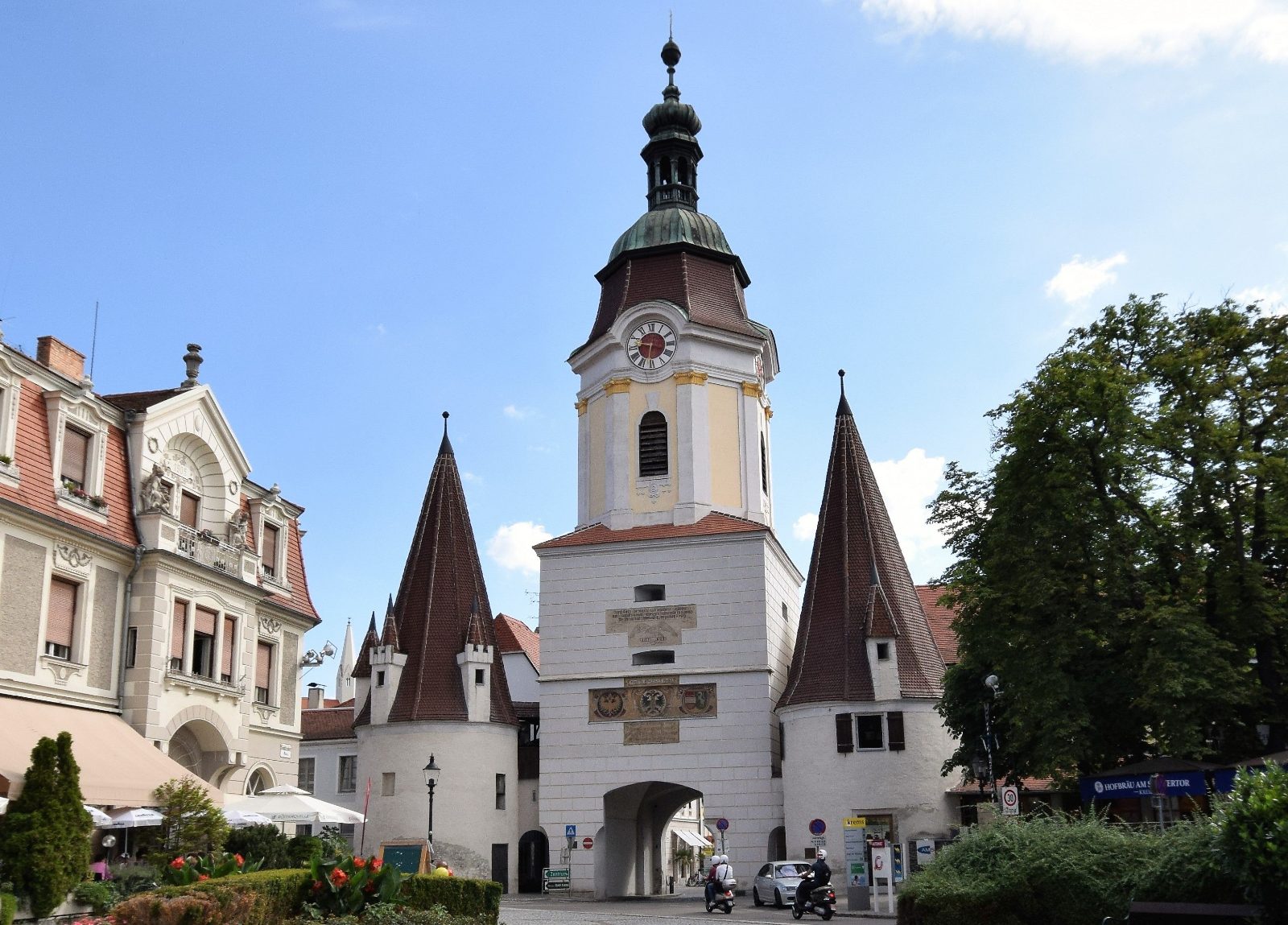
10 min walk
This historic city gate serves as a landmark of Krems and marks the transition between the old town and the riverfront area.
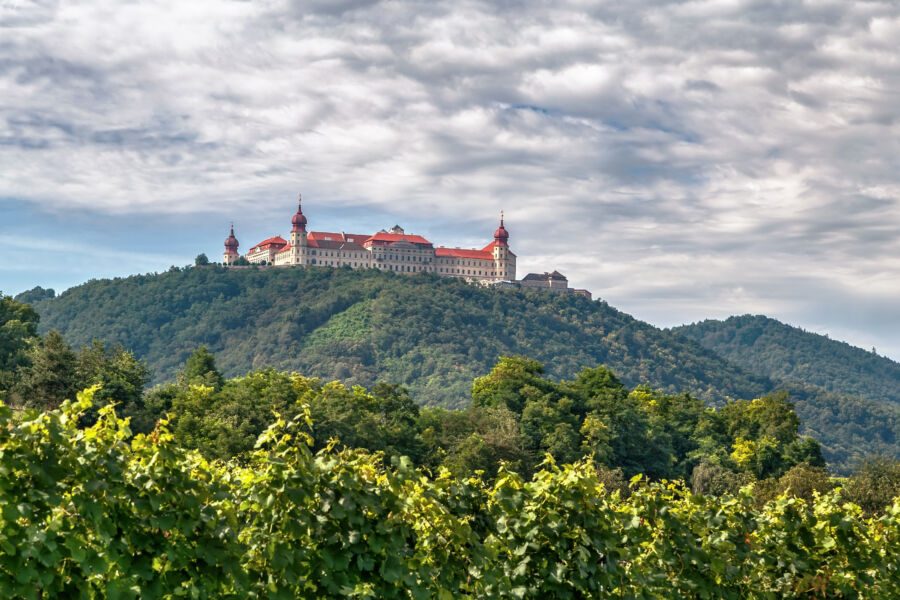
15 min drive
Situated on a hill overlooking the valley, this active monastery offers historical perspective and panoramic views of the Danube region.
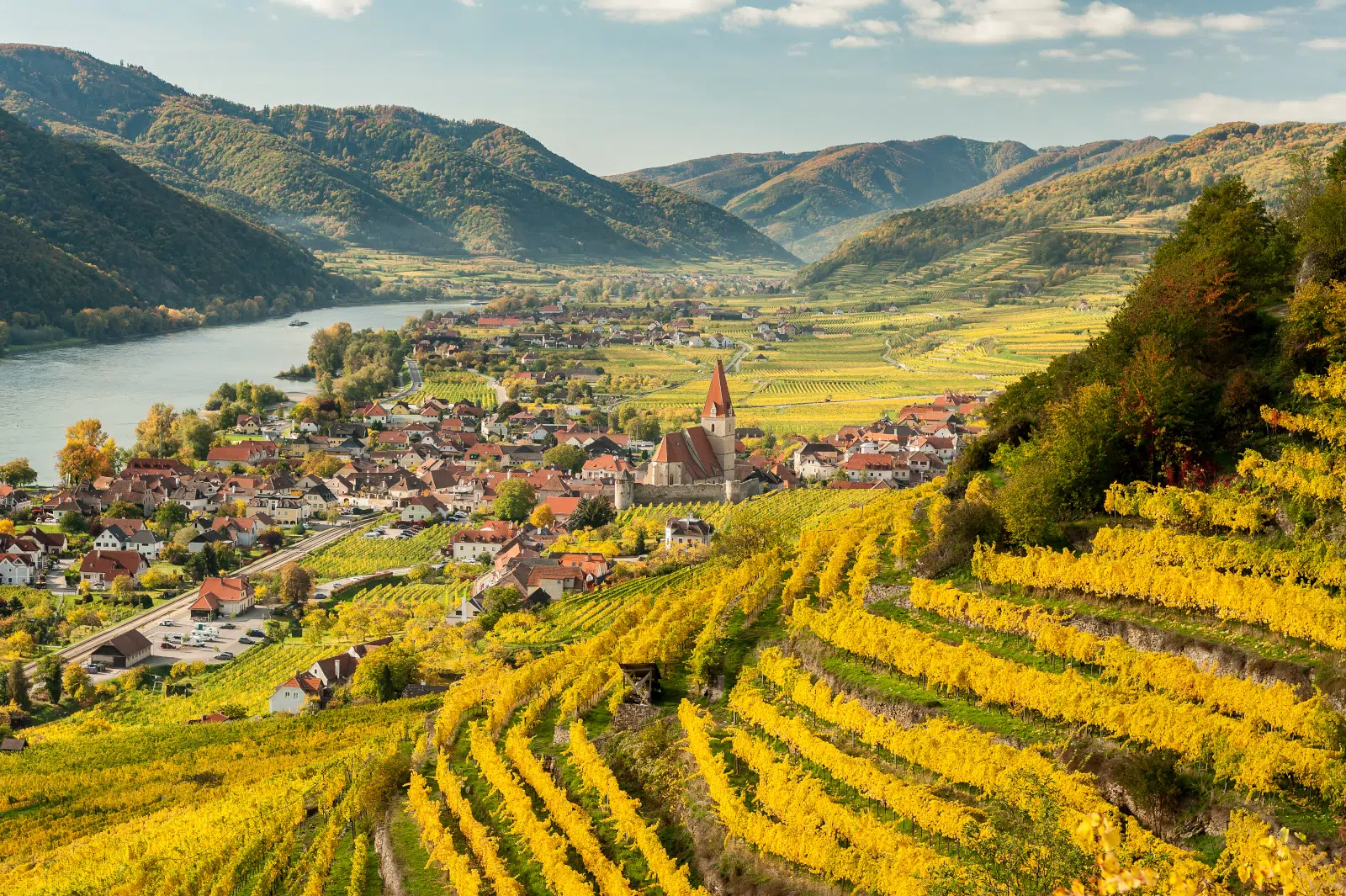
5 min walk
The terraced slopes surrounding the landing point are accessible for short walks, offering insight into the local viticulture that defines the valley.
Everything you need to know about danube river cruise from vienna to wachau valley
To organize your trip, verify the schedule on the official website and coordinate your arrival with the morning departure windows. Planning ahead ensures you have ample time to navigate between the river banks and boarding points for your river boat journey.
River banks in this UNESCO heritage region have free entry, but you must purchase specific tickets for your cruise. These individual fares cover your transit along the water through the historic valley landscape.
We suggest arriving between 09:00 and 11:00 to avoid mid-day heat and ensure you secure space on morning departures. This window provides the optimal conditions for viewing the river vistas and historic landmarks.
You should visit the official DDSG Blue Danube website to manage your booking details and review current availability. Preparing your travel documents in advance simplifies the check-in process at the designated pier.
The operator is open daily from 09:00 to 18:00 throughout the week, including weekends. This consistent schedule allows for flexibility when planning your excursion to the riverside towns.
Families often enjoy this excursion, as the calm waters and scenic views offer a relaxing experience for all ages. Ensure you check age-specific policies on the official site before finalizing your plans for the day.
A common mistake is arriving too late in the day, which can limit your access to the best viewing spots on deck. Stick to the suggested arrival window to maximize your time in this picturesque Austrian region.